
Table of Contents
- E-Commerce Licence UAE: The Short Answer
- What the E-Commerce Law Requires
- Who Needs an E-Commerce Licence UAE Rules Cover
- Three Routes to an E-Commerce Licence UAE Sellers Can Use
- A Mainland E-Commerce Licence UAE Through the Economic Department
- The Dubai eTrader Licence for Home-Based Sellers
- A Free Zone E-Commerce Licence UAE Founders Can Hold
- Selling From a Free Zone Into the Mainland
- TDRA Approval and Other Permits
- Office Requirements for an E-Commerce Licence UAE Applicants Face
- Marketplaces, Payment Gateways and Social Media
- Tax, Customs and Invoicing After You Get the Licence
- How to Choose an E-Commerce Licence UAE Route
- Common Mistakes When Applying
- Limits of This Article
- FAQ
- Your Next Step
E-Commerce Licence UAE: The Short Answer
You can start an online business in the UAE in days, but you cannot do it legally without a licence. Many founders learn this only when a bank, a marketplace or a payment gateway asks for a trade licence number. The right e-commerce licence UAE route depends on where you live, where your customers are and what you sell.
This guide compares the three practical routes: a mainland licence from the emirate’s economic department, Dubai’s home-based eTrader licence and a free zone licence. It also covers TDRA approval, office requirements and selling from a free zone into the mainland. Every legal point comes from official or professional-services sources, not from vendor sales pages.
My view is simple: choose the licence around your customers first and the cheapest fee second. A cheap e-commerce licence UAE sellers cannot use for their real sales channel costs more in the end.
What the E-Commerce Law Requires
The UAE regulates online trade through Federal Decree-Law No. 14 of 2023 on technology-based trade. The official UAE government portal (u.ae) describes it as covering the buying and selling of goods, services and related data through websites, mobile apps, social media platforms and digital marketplaces. It applies to digital products and physical goods alike.
The same page lists what a seller must do. You need legal capacity, the required licences and approvals, and secure technology that meets cybersecurity standards. You may sell only goods and services that are approved for trade in the UAE. You must give accurate product information, protect customer data and issue a clear digital invoice for every transaction.
The portal says the aim is a legal framework similar to that of traditional businesses. A shop on Instagram is therefore not a legal grey area. It is a business that needs the same permission as a shop in a mall. Holding a valid e-commerce licence UAE regulators recognise is the proof.
Who Needs an E-Commerce Licence UAE Rules Cover
The short list is longer than most people expect. You need an e-commerce licence UAE authorities recognise if you do any of the following from the UAE:
- Run your own online store that sells physical products to UAE customers.
- Sell through social media, including Instagram, TikTok and WhatsApp catalogues.
- Sell digital products or services, such as subscriptions, courses or software.
- Operate a marketplace where other sellers list their goods.
- Sell on third-party platforms as a business, even if the platform handles delivery.
Three Routes to an E-Commerce Licence UAE Sellers Can Use
Most founders end up choosing between three routes. The table summarises what the official sources say about each. Costs and exact conditions differ by authority, so treat it as a starting map, not a quote.
| Route | Issued by | Where you can sell | Main limit |
|---|---|---|---|
| Mainland commercial licence with e-commerce activity | The emirate’s economic department (in Dubai, DET) | Across the UAE, including the mainland | Normally needs a registered business address |
| Dubai eTrader licence | DET, issued electronically | Online and through social media accounts | No physical shop; eligibility set by DET |
| Free zone e-commerce licence | The free zone authority | Inside the zone and internationally | Direct mainland sales may need a distributor or a permit |
For a wider comparison of the two main jurisdictions, read our guide to free zone vs mainland in Dubai. For the activity side, see types of trade licence in Dubai.
A Mainland E-Commerce Licence UAE Through the Economic Department
On the mainland, the u.ae portal says online sellers need a commercial licence that includes an e-commerce activity. It is issued by the emirate’s Department of Economic Development. Dubai’s department is Dubai Economy and Tourism (DET); Abu Dhabi has its own department. Some emirates issue a standalone individual e-commerce licence, while others add the activity to a regular commercial licence.
This is the broadest e-commerce licence UAE sellers can hold. A mainland licence lets you serve customers anywhere in the country without a distributor. It also suits businesses that want a warehouse, a showroom or staff on site.
The trade-off is cost and paperwork. You must choose the right activity code, a legal form and a business address. Pick the activity carefully: a licence for “general trading” does not automatically cover every product you want to list. Describe your product range to the authority before you pay.
The Dubai eTrader Licence for Home-Based Sellers
Dubai created the eTrader licence for people who sell from home. The Dubai Media Office announcement says it targets start-ups and freelancers who work from home, online or on social networking sites. It is issued electronically through the invest.dubai.ae platform. It does not allow a physical shop or store.
The same announcement lists extra benefits, including Dubai Chamber membership, a Customs Client Code for import and export through Dubai Trade, and offers from selected banks. It also notes that up to three visas are possible only where ownership is 100% Emirati. For most foreign founders, assume the licence will not sponsor staff visas, and verify this with DET.
Be careful with eligibility. Commercial websites describe residency and address conditions in different ways, and the 2022 announcement does not list documents. Ask DET directly whether your residency status qualifies. If it does, this is often the cheapest e-commerce licence UAE residents can hold for a small online store.
A Free Zone E-Commerce Licence UAE Founders Can Hold
Free zones issue their own e-commerce licences. The u.ae portal names Dubai CommerCity, EZDubai, Masdar City, Sharjah Media City, RAK Economic Zone and Ajman Free Zone as examples. It says free zone companies may operate within the zone and internationally.
This e-commerce licence UAE route suits overseas sellers who want 100% foreign ownership, visas and a UAE base for exports. It fits especially well when most of your customers live outside the UAE. Dubai CommerCity, for example, was built for online sellers, but check the current offer with the zone itself.
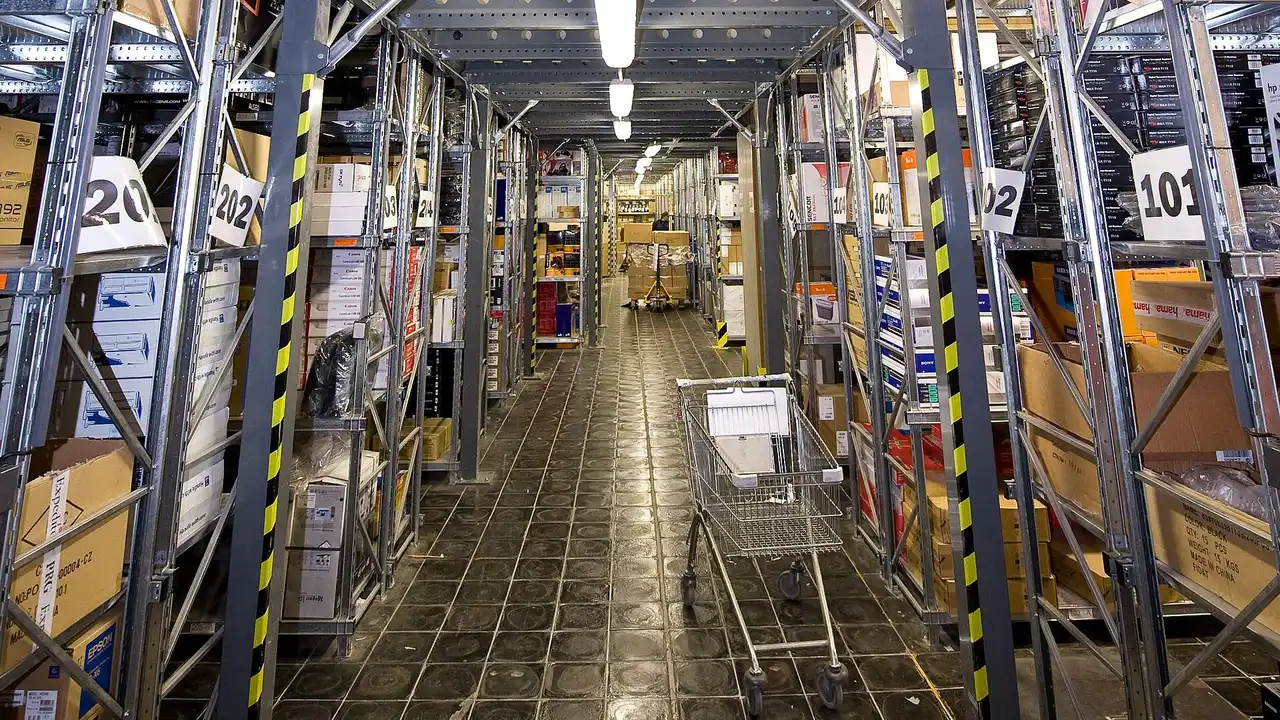
If you hold physical stock, ask whether the zone offers warehouse space and how goods leave it. Moving goods between a free zone and the mainland has customs consequences, which we explain in our guide to importing goods into Dubai.
Selling From a Free Zone Into the Mainland
This is where most free zone e-commerce plans break. U.ae states that selling directly on the mainland may require a local distributor or additional approvals. A free zone e-commerce licence UAE customers cannot buy from at home is a poor fit for a business that sells mostly to Dubai residents.
Dubai has added a new option. KPMG’s summary of Dubai Executive Council Resolution No. 11 of 2025 says free zone companies licensed by Dubai free zone authorities can obtain a branch licence (valid one year, AED 10,000 a year) or a temporary permit for specific activities (up to six months, AED 5,000). DIFC financial entities are excluded.
The conditions matter. Prior approval is needed from the free zone authority. Companies must keep separate financial records and prepare for DET audits. DET was to publish the list of activities that qualify. Reed Smith’s analysis of the same resolution reaches similar conclusions. Check the current activity list before you build a plan on this route.
Your three practical options for mainland customers are:
- Sell through a licensed mainland distributor who holds the stock and invoices the customer.
- Add a mainland branch or temporary permit through DET, where your activity qualifies.
- Hold a mainland licence from the start if the UAE is your main market.
TDRA Approval and Other Permits
The u.ae portal says every e-commerce licence UAE applicants receive requires approval from the Telecommunications and Digital Government Regulatory Authority (TDRA). It also says sellers can apply to TDRA for a no-objection certificate to practise a digital activity. In most cases the economic department or free zone coordinates the approval during licensing, but confirm what you must submit yourself.
TDRA is not the only gatekeeper. Regulated goods need their own permits. Food, cosmetics, medical products, electronics and supplements often fall under separate approvals. If you advertise through influencers or social media, the portal points to the UAE Media Council’s advertiser guide and permit for social media advertising content.
Office Requirements for an E-Commerce Licence UAE Applicants Face
Many founders ask whether they need an office. The answer depends on the route. A standard mainland commercial licence normally requires a registered business address; in Dubai that means a tenancy contract registered with Ejari. Free zones usually offer a flexi-desk or a shared package that satisfies the zone’s address rule.
The eTrader licence is the exception. It was designed so that a seller can work from home, and it does not permit a physical shop. That makes it attractive for a first product test, but it also limits growth. If you later need a warehouse, a showroom or employees, plan to upgrade to a full licence.
Whatever e-commerce licence UAE route you choose, do not use a virtual address you cannot document. Banks and payment providers check addresses, and a mismatch delays account opening. Our Business Setup service team can match the address option to your activity.
Marketplaces, Payment Gateways and Social Media
An e-commerce licence UAE sellers hold is not the only requirement for selling. Marketplaces and payment gateways run their own onboarding. In my experience they ask for a valid trade licence, a UAE bank account and identification for the owners, but requirements change, so read the current seller terms before you apply.
Social media sales follow the same law. The u.ae portal names social media platforms as sales channels, so a seller with only an Instagram page still needs the right licence, and the advertising rules apply to the content you post.
Plan the stack in this order: licence first, then a corporate bank account, then the payment gateway, then the storefront. Reversing the order usually means waiting at the bank with a half-built store. If you need the storefront itself, our website development service covers the build.
Tax, Customs and Invoicing After You Get the Licence
The e-commerce licence UAE businesses hold opens the door. Tax and customs rules decide whether the business is profitable. Three areas need a plan.
- Invoicing. The e-commerce law requires a clear digital invoice for every online transaction. Set up your store so that each order produces one.
- VAT. Check whether your sales require registration, and what an invoice must show. Our guide to VAT registration in the UAE explains the thresholds and the process.
- Customs. If you import stock, you need a customs client code and the right tariff classification. Read importing goods into Dubai before ordering your first container.
Corporate tax can apply as well. Free zone companies in particular should check whether they qualify for a 0% rate before they assume it, because selling to mainland customers may affect that status. A tax adviser should review your model before you set prices.
How to Choose an E-Commerce Licence UAE Route
Use these questions in order. They narrow the choice faster than comparing fees.
- Where do most customers live? Mostly outside the UAE points to a free zone. Mostly inside the UAE points to the mainland or eTrader.
- Do you hold stock? Physical stock needs warehouse space and customs planning. Digital products and drop-shipped goods need less.
- Are you a UAE resident? The eTrader licence is aimed at residents. Non-residents usually look at a free zone or a mainland company.
- Do you need visas? Free zone and mainland companies can sponsor staff within their quota. An eTrader licence is limited here.
- Is the product regulated? If yes, find the permit before choosing the jurisdiction.
Write down your answers and take them to a licensing authority or adviser. The conversation becomes short and specific, and you avoid paying for an e-commerce licence UAE route you cannot use.
Common Mistakes When Applying
- Choosing a free zone, then selling mainly to the mainland. The distributor or permit cost then erases the saving.
- Selecting a vague activity. Banks and marketplaces read the activity on the licence line by line.
- Ignoring product permits. The e-commerce licence UAE does not approve each item you sell.
- Skipping invoicing and tax set-up. The law expects digital invoices from day one.
- Relying on a vendor’s promise of “no office needed”. Ask what address the bank and the platform will accept.
Limits of This Article
I read the u.ae e-commerce page, the Dubai Media Office announcement on the eTrader licence, and professional analyses of Dubai Executive Council Resolution No. 11 of 2025. I did not read the full text of the law, DET’s fee schedule or its activity list for free zone companies. The office and Ejari points reflect general practice and should be confirmed with DET. One law-firm summary says the law adds no new requirements for digital traders, so check the primary text if it matters.
Rules, fees and eligibility change, and your facts matter. This is general information, not legal, tax or investment advice. Confirm the current requirements with DET, your free zone and TDRA before you apply. The photographs are illustrations only.
FAQ
Do I need an e-commerce licence UAE sellers can rely on to sell online?
Yes. The official u.ae portal states that you must hold the appropriate licence to conduct e-commerce activities. On the mainland that is a commercial licence that includes an e-commerce activity. In a free zone it is a licence issued by the free zone authority. Selling through social media counts as e-commerce under the law.
Can I run an online store from my home in Dubai?
Possibly. Dubai’s eTrader licence was introduced for start-ups and freelancers who work from home, online or on social networking sites, and it does not allow a physical shop. Eligibility details, such as residency status, are set by Dubai Economy and Tourism (DET), so confirm them with DET before you apply.
Is TDRA approval required for an e-commerce licence UAE applicants apply for?
According to u.ae, all e-commerce licences require the approval of the Telecommunications and Digital Government Regulatory Authority (TDRA). Sellers can also apply to TDRA for a no-objection certificate to practise a digital activity. In practice, the licensing authority usually coordinates this step, so ask it what you must file yourself.
Can a free zone company sell to customers on the mainland?
Not automatically. U.ae says free zone companies may operate within the free zone and internationally, and that selling directly on the mainland may need a local distributor or extra approvals. In Dubai, Executive Council Resolution No. 11 of 2025 now adds a branch licence and a temporary permit for this purpose.
Can I sell on Amazon or noon without a trade licence?
Do not count on it. Marketplaces set their own onboarding rules, and most ask sellers for a valid trade licence and bank details. Separately, the e-commerce law expects every digital trader to hold the right licence. Check the current seller requirements on the platform and the licensing rules of your emirate before you list.
How much does an e-commerce licence UAE founders need actually cost?
There is no single price. Fees depend on the emirate, the free zone, the activity and your visa needs. The only fees I could confirm from a reliable source are AED 10,000 per year for a Dubai free zone company’s branch licence and AED 5,000 for a six-month temporary permit. Ask each authority for a written quote.
Your Next Step
Ready to sell online but unsure which e-commerce licence UAE route fits your store? Speak to us before you pay any authority. Our Business Setup service team can compare the mainland, eTrader and free zone options against your customers, your stock and your visa needs, then handle the application. You can also reach us through the contact page.