


Foreign founders keep asking about the offshore company UAE structure because it sounds simple: a UAE address, low cost and no local office. The reality is narrower. An offshore company UAE entity can hold assets and shares, but it cannot sell to local customers, and since 2023 it sits inside the federal corporate tax regime.
This guide explains what an offshore company UAE vehicle can and cannot do, based on the registry regulations and federal tax texts I opened in October 2026. It does not promise tax savings. For the operating alternatives, read our comparison of free zone vs mainland.
Table of Contents
- Offshore Company UAE: The Short Answer
- What Offshore Means in the UAE
- What an Offshore Company UAE Can Do
- What an Offshore Company UAE Cannot Do
- Offshore Company UAE and Corporate Tax
- Owners, Registered Agent and Substance
- Can an Offshore Company Own Dubai Property?
- Three Founders, Three Different Answers
- Where an Offshore Company UAE Plan Goes Wrong
- Limits of This Article
- FAQ
- Your Next Step
Offshore Company UAE: The Short Answer
An offshore company UAE vehicle is a holding structure, not a trading business. It suits owning shares, one property or an asset. It does not suit invoicing UAE clients, hiring staff or getting visas for a team.
My view after reading the sources: the offshore company UAE label causes more confusion than the law does. The old marketing line, a tax-free company with no office, no longer matches how the federal tax law treats a company incorporated here. Buy one for a clear holding purpose, or not at all.
What Offshore Means in the UAE
The UAE has no single offshore law. Offshore company formation in Dubai and Ras Al Khaimah runs through two registries, each with its own rulebook.
- RAK ICC. The Ras Al Khaimah International Corporate Centre incorporates companies under its Business Companies Regulations 2018. It works through licensed registered agents.
- JAFZA Offshore. The Jebel Ali Free Zone Authority registers offshore companies under its Offshore Companies Regulations 2023, which repeal and replace the 2018 version.
Both are corporate registries. Neither is an operating free zone that hands you a trade licence, an office and a visa quota. That distinction explains most of what an offshore company UAE entity cannot do.
Do not confuse these with ADGM or DIFC, which are financial free zones with their own courts, or with RAKEZ, which licenses real businesses. The rest of this guide covers RAK ICC and JAFZA Offshore only.
What an Offshore Company UAE Can Do
The JAFZA regulations list what its offshore companies are allowed to do inside the UAE. The list is short and specific. RAK ICC, which I read in the 2018 regulations, takes a similar approach by defining what does not count as doing business in its Zone.
| Activity | JAFZA Offshore (2023 Regulations) | RAK ICC (2018 Regulations) |
|---|---|---|
| Work with UAE lawyers, accountants, management companies | Permitted | Not treated as doing business in the Zone |
| Keep books and hold board meetings in the UAE | Permitted | Not treated as doing business in the Zone |
| Hold a UAE bank account | Permitted | Routine operational account in the Zone is not treated as doing business |
| Own shares in an operating UAE company | Permitted | Holding interests in a body corporate that trades in the Zone is not treated as doing business |
| Own property in a designated freehold area | Permitted | Not in the regulations; rests on a 2019 memorandum with the Land Department |
| Registered office | Office in the Zone, owned freehold property, or the registered agent’s Dubai office | Through the registered agent |
In plain terms, an offshore company UAE entity is a legal wrapper. It can own things and sign contracts. Treat it as a holding vehicle and you will be using it as designed. For how holding structures work onshore, see our guide to the UAE holding company.
What an Offshore Company UAE Cannot Do
The limits matter more than the permissions. Four stand out.
- Trade in the UAE market. JAFZA says an offshore company must obtain the appropriate licences or permits from the competent authorities to carry on business in the Zone or any other jurisdiction. RAK ICC bars business with persons in its Zone unless it expressly authorises it. Neither registration is a UAE trade licence, so UAE customers still need a mainland or free zone licence.
- Provide financial services by way of business. The RAK ICC regulations prohibit this anywhere in the world. If your plan involves lending or taking deposits, an offshore company UAE structure is the wrong tool.
- Issue bearer shares. Both rulebooks forbid them. A share register with named holders is the norm.
- Hire a local team on its own. Law-firm and adviser commentary describes offshore companies as having no office, staff quota or visa route. The only visa route I found in an official text is JAFZA’s: a company that owns property in a designated freehold area may apply for a residency visa for its members, subject to the Authority’s eligibility rules.
If you need customers, staff and a lease, an operating licence is the honest answer. Our guide to running a UAE company from abroad covers how founders manage that from overseas.
Offshore Company UAE and Corporate Tax
This is where old advice goes stale. Article 11 of Federal Decree-Law 47 of 2022 says a Resident Person includes a juridical person incorporated or otherwise established or recognised under UAE legislation, including a Free Zone Person. On its face, an offshore company UAE entity incorporated under a UAE registry’s rules sits inside that definition.
Article 3 sets two rates: 0% up to a threshold set by Cabinet decision, and 9% above it. A separate regime lets a Qualifying Free Zone Person pay 0% on Qualifying Income. The FTA Free Zone Persons guide sets the conditions. They include adequate substance in a Free Zone, adequate assets, full-time employees and operating expenditure, plus a de minimis limit on non-qualifying revenue: the lower of AED 5 million or 5% of total revenue.
A pure holding company with no staff and no premises will struggle to show that substance. I could not find a statement in the FTA guide that places a registry-only offshore company inside or outside the Free Zone Person definition, so do not assume the 0% rate. Read our explainer on Qualifying Free Zone Person rules and ask an adviser to test your facts.
Registration and filing are separate duties. See our note on the corporate tax registration deadline for how timing works. An offshore company UAE owner who ignores registration because the company “does nothing” can still face a penalty.
Owners, Registered Agent and Substance
Offshore does not mean private. The RAK ICC Beneficial Ownership Regulations 2019 require certified registered agents to keep a record of beneficial owners. When the agent has reason to believe an owner’s recorded details have changed, it serves a written request, and the addressee has 15 days to respond. In practice, you need current IDs and a fast reply.
The federal side adds its own layer. Our guide to the UAE UBO register explains who counts as a beneficial owner and what changes must be reported. Read it before you rely on a nominee or a layered chain.
Substance is the quieter question. Banks and the tax authority both ask: who runs this company, from where, and why does it exist? An offshore company UAE structure with a clear purpose, minutes and a bank trail answers that. One with no purpose does not.
On banking, JAFZA’s regulations permit an account with a UAE bank. Permission is not approval. Our note on the corporate bank account in the UAE shows what banks ask for.
Can an Offshore Company Own Dubai Property?
The card behind this article asked me to check the Land Department position. Here is what I found, split by registry.
JAFZA Offshore. The 2023 regulations permit an offshore company to own property in a designated freehold area and to lease space there as a registered office. This matches the older history: a 2011 article on Land Department circulars reports that from 1 January 2011 only JAFZA-registered offshore companies could register new property, with a documents list that included a JAFZA certificate and an undertaking to report share changes. That article is old. Use it for history only.
RAK ICC. The regulations I read contain no property provision. The position rests on a 2019 memorandum between the Land Department, RAK ICC and RAKEZ. RAK ICC’s own published summary says the Land Department will accept registration of freehold property subject to a No Objection Letter, a company properly registered with the centre and natural-person shareholders, and that it may also approve juristic owners.
The Sovereign Group, a corporate services firm, noted in 2019 that the memorandum is not legally binding and that questions remained on later sales. I could not find a current Land Department page that confirms or updates the position. Ask for written confirmation for your company before paying a deposit, and check the freehold areas in Dubai list.
Our article on buying property in Dubai through a company covers when a company helps and when it does not. Whatever you pick, the transfer still goes through the Land Department like any other sale.
Three Founders, Three Different Answers
The examples below are hypothetical illustrations, not client cases.
- Founder A holds shares in a Dubai operating company. A registry-based offshore company UAE vehicle fits. It is allowed to own a stake in an operating UAE company. The open question is tax, not the structure.
- Founder B wants to sell consulting to UAE clients. The offshore route fails. Selling locally needs a mainland or free zone licence, a lease and usually a visa plan.
- Founder C wants to buy one Dubai apartment in a company name. JAFZA Offshore has an express property permission. RAK ICC needs the 2019 memorandum conditions. Either way, written Land Department confirmation comes first.
Where an Offshore Company UAE Plan Goes Wrong
- Buying for the tax story. The federal regime now reaches companies incorporated here. A 0% outcome has to be earned under the rules, not assumed from the word offshore.
- Expecting a visa or an office. A registry vehicle carries neither. If you need either, price a licence instead.
- Mixing roles. One company that holds property, invoices clients and lends money breaks several limits at once. Keep each purpose in its own entity.
- Ignoring the agent. Your registered agent is a regulated gatekeeper. Silence on its ownership requests can freeze a transaction.
- Skipping tax registration. A dormant company is still a taxable person. Check your deadlines early.
Limits of This Article
I read the RAK ICC Business Companies Regulations 2018, the RAK ICC Beneficial Ownership Regulations 2019, the JAFZA Offshore Companies Regulations 2023, Federal Decree-Law 47 of 2022 and the FTA Free Zone Persons guide (May 2024). I did not find a current Land Department page on offshore ownership, or an FTA statement on registry-only companies.
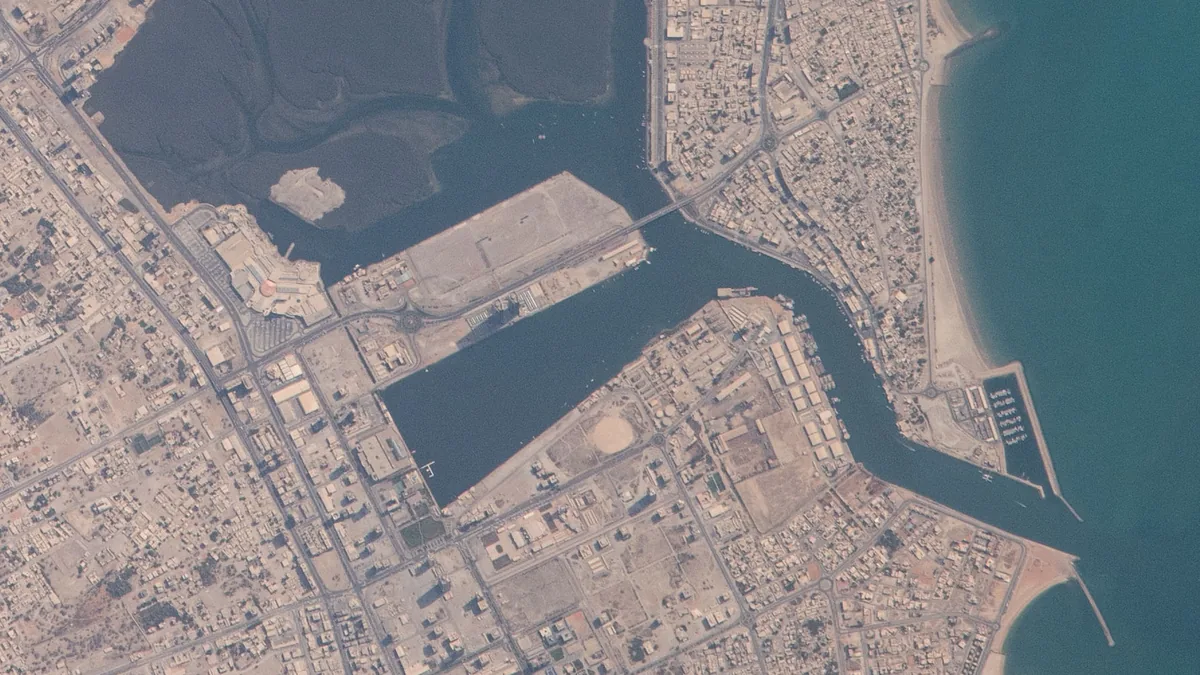
The clause numbering in the JAFZA PDF text is garbled in my copy, so I cite the regulations by topic, not by number. Regulations change; check each point with the registry, the Land Department or a tax adviser before you commit money. The picture is an illustration of Ras Al Khaimah, not of a specific company.
FAQ
What is an offshore company in the UAE?
An offshore company in the UAE is a company incorporated in an offshore registry, mainly RAK ICC in Ras Al Khaimah or the JAFZA Offshore registry in Dubai, rather than in a mainland or operating free zone. It can hold assets and shares and contract internationally. It is not a trade licence, so it is not meant for selling to customers inside the UAE.
Can an offshore company trade in the UAE?
Not on the strength of the offshore registration alone. JAFZA’s 2023 regulations say an offshore company needs the appropriate licences or permits from the competent authorities to carry on business in the Zone or any other jurisdiction. RAK ICC’s regulations bar business with persons in its own Zone. UAE customers need a mainland or free zone trade licence.
Does an offshore company in the UAE pay corporate tax?
Possibly yes. Federal Decree-Law 47 of 2022 treats a juridical person incorporated or established under UAE legislation as a Resident Person, and the law’s standard rate is 9% above a Cabinet-set threshold. Whether a particular offshore entity can claim a 0% rate depends on the Free Zone Person rules, so ask a tax adviser before assuming anything.
Can an offshore company own property in Dubai?
A JAFZA offshore company is expressly permitted by its regulations to own property in designated freehold areas. For RAK ICC, the position rests on a 2019 memorandum with the Dubai Land Department that requires a no-objection letter and, for direct registration, natural-person shareholders. Get the Land Department’s answer for your entity in writing before you pay a deposit.
Do offshore companies in the UAE have to disclose their owners?
Yes, to the registry’s agent at least. RAK ICC’s Beneficial Ownership Regulations 2019 require its certified registered agents to keep a record of beneficial owners and to chase changes. Offshore does not mean anonymous. Plan on identity documents for every beneficial owner and a quick reply when your agent asks you to confirm changes.
Can an offshore company open a UAE bank account?
JAFZA’s regulations allow an offshore company to hold an account with a UAE bank, but the permission is not a promise of approval. Each bank runs its own due diligence on owners, source of funds and activity. A clear purpose for the company, such as holding shares or one property, helps your application.
Is an offshore company the same as a free zone company?
No. A free zone company holds a licence from an operating free zone, usually with a visa quota and an office. An offshore company is a registry vehicle for holding assets and does not carry a trade licence in the same way. Both sit under the same federal corporate tax law, but the Qualifying Free Zone Person conditions turn on substance, which a licensed zone company with staff and premises is better placed to show.
Your Next Step
Before you pay a registry, write one sentence that starts: this company exists to hold. If you cannot finish it, an offshore company UAE structure is probably the wrong choice.
If you want a second opinion on structure, tax and banking, see our services page or use the contact page to describe your plan. We will tell you plainly if an offshore route does not fit.